Technology
Why a Moving Camera Isn’t Enough: Building a True Autonomous System
6 min read
Robotic PTZ cameras have become a familiar part of modern event production. You’ll find them in conference halls, universities, corporate studios, and large-scale event venues. In theory, they promise efficiency and automation. In reality, however, most PTZ setups still depend on a human operator actively controlling the camera with a joystick.
You might think that AI will solve everything. But even when AI tracking is involved, automation usually stops at basic movement. The camera reacts — but it doesn’t understand context. And that difference is crucial. This is exactly where the SlidesLive approach begins.
Where Most “Automation” Ends
Usually AI-driven PTZ systems operate directly at the camera level. They can follow motion or detect a face, but they don’t manage the recording as a whole, by themselves.
They don’t know who is actually speaking.
They don’t evaluate audio quality.
They don’t verify whether the recording is being captured correctly or safely backed up.
As a result, they don’t deliver true automation or meaningfully reduce the operator’s workload. PTZ cameras are powerful tools — but tools alone don’t create an autonomous system.
At SlidesLive, we approached the problem from a different angle. Instead of asking, “How can a camera track people better?” we asked, “How can the entire recording workflow run more intelligently and reliably?”
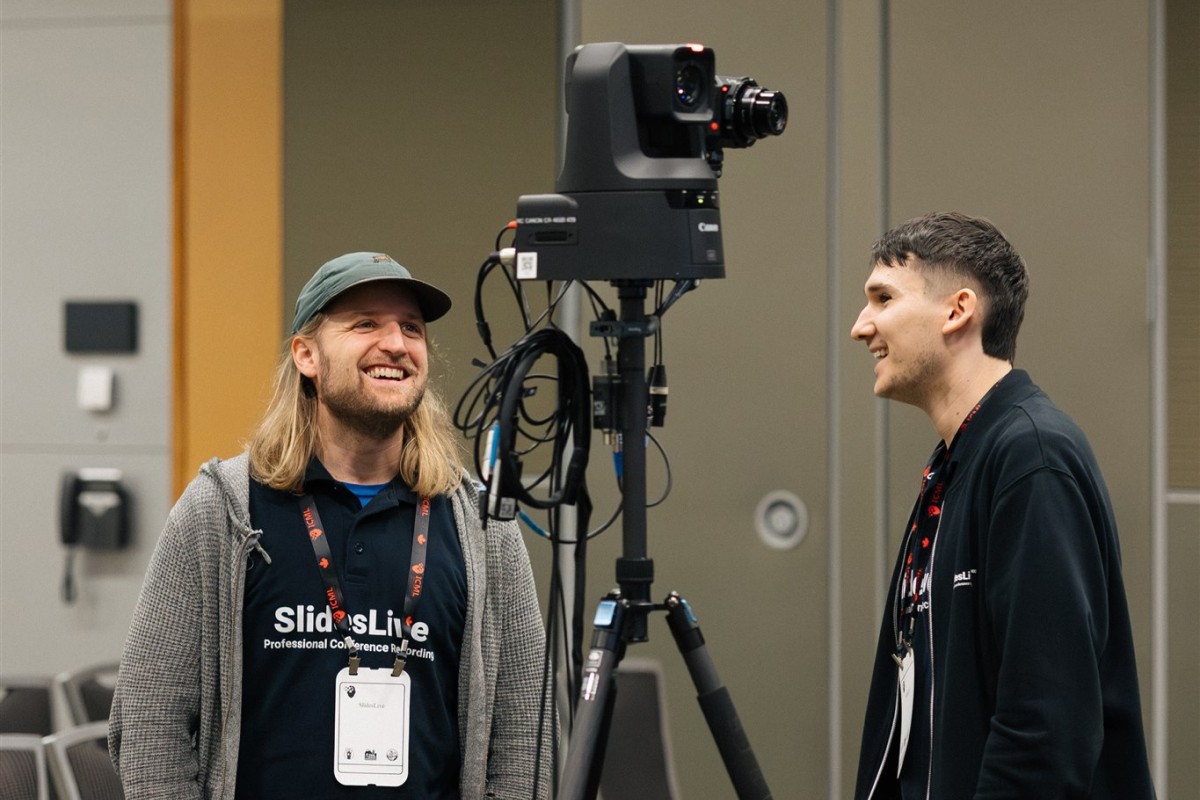
The result is SlidesLive RoboCam powered by NATE — an autonomous recording and live streaming system designed specifically for the unpredictable reality of events, whether it’s a single-room setup or a massive multi-room conference. With it, it becomes an intelligent system that understands the context of a presentation. In short, it handles the tracking, switching, and monitoring.
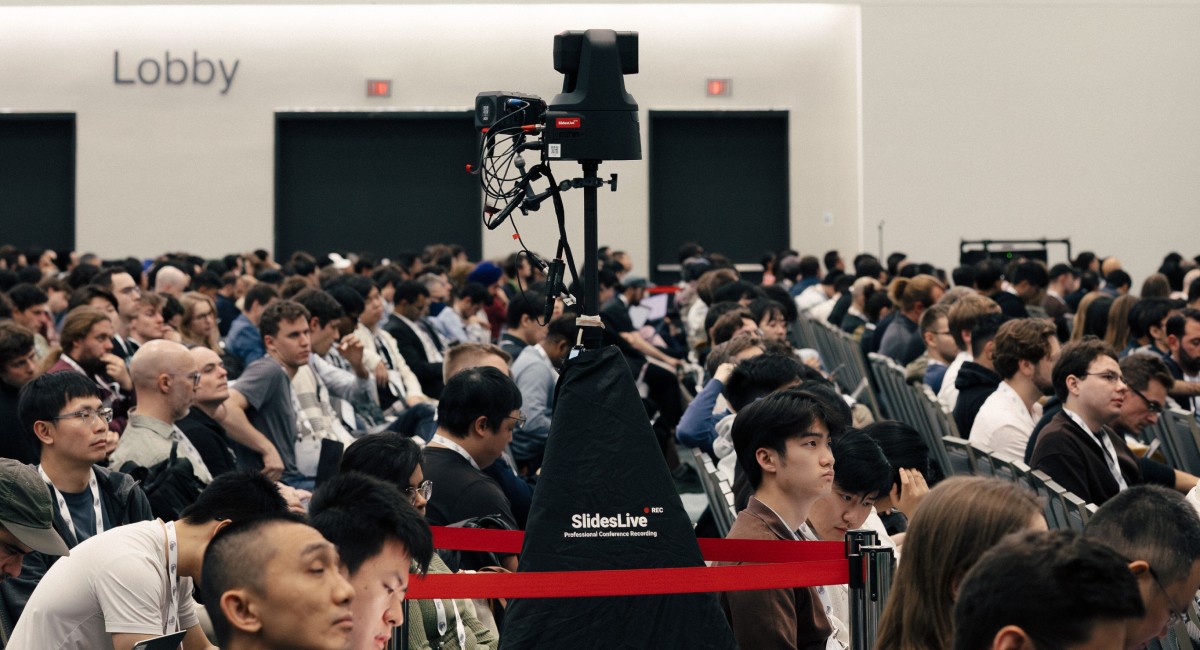
Automation With Human Supervision
SlidesLive RoboCam is designed to deploy quickly and operate independently — with humans always in the loop. A technician handles the setup, adapts the system to the room, and defines the stage area. Once everything is ready, the system takes over the repetitive operational work.
Cameras track speakers naturally, based on intent rather than raw movement.
Live switching happens automatically in real time.
Video and audio quality are continuously monitored, with alerts when something needs attention.
This balance is intentional. The system never gets tired, and the human operator never loses situational awareness — often supervising multiple rooms at once.
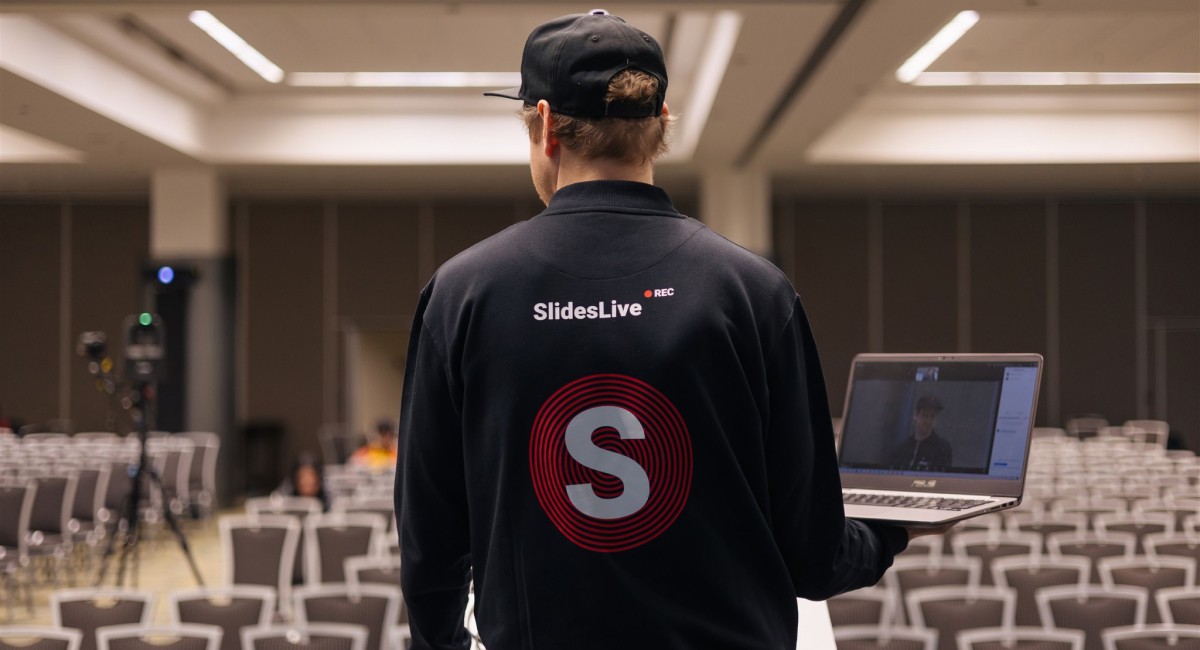
NATE: Software Built from Real-World Experience
NATE is not just another tracking algorithm. It is proprietary software built from our experience recording over 100,000 talks worldwide. While ordinary PTZ cameras rely on basic sensors, NATE uses deep production know-how to handle situations that standard hardware simply can’t.
The main difference is that NATE doesn’t just "see" — it listens. Standard AI cameras often get confused because they only follow motion. If a speaker stands behind a podium or someone walks in front of them, the camera loses them. NATE is smarter: it combines the video feed with audio signals directly from the sound desk. This means it knows exactly who is speaking, not just what is moving.
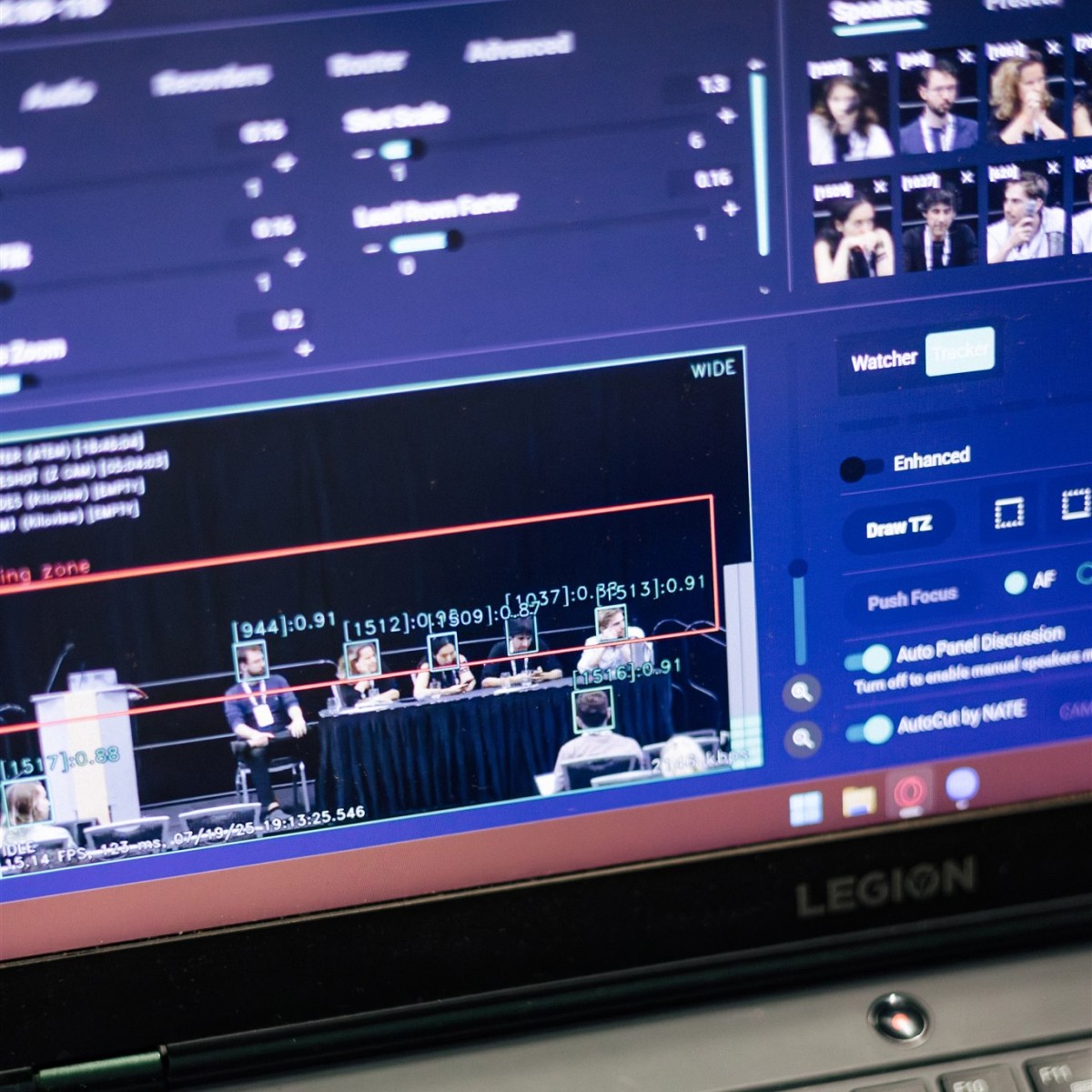
This creates a level of reliability that ordinary PTZ setups can’t match:
Behind the Podium: Ordinary cameras lose the speaker's silhouette; NATE keeps tracking because it hears the audio.
Turning Away: When a speaker turns to face the screen, standard tracking often fails. NATE knows they are still the active presenter.
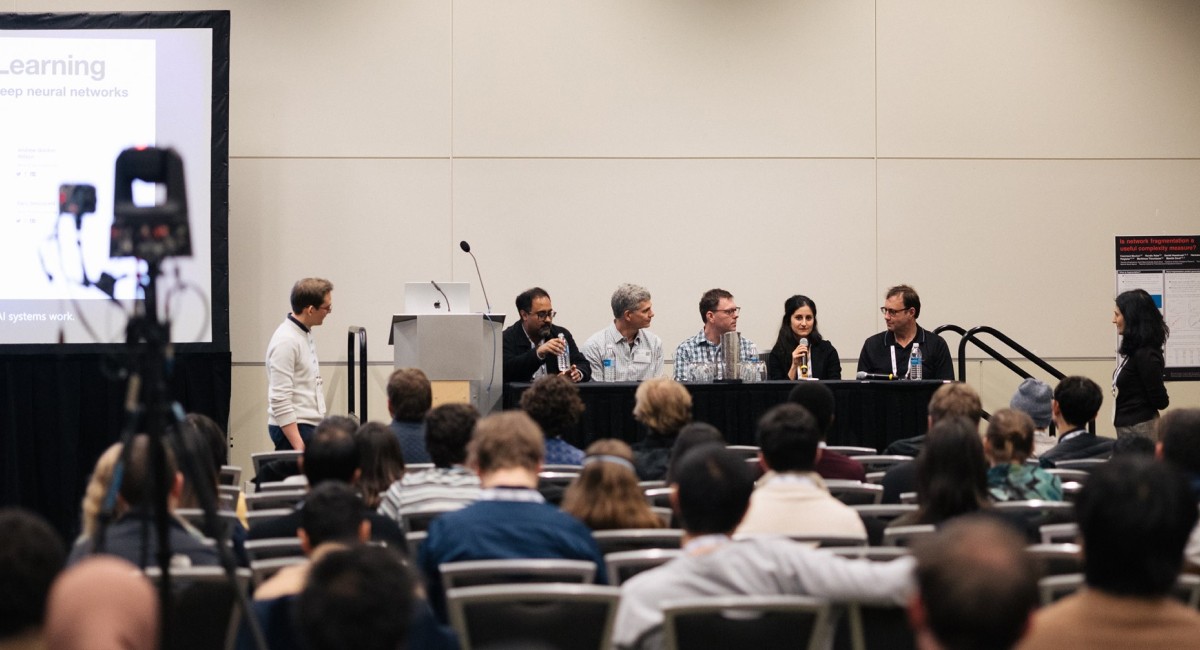
Complex Panels: While motion-only systems jump between people, NATE follows the conversation accurately.
By solving these common technical failures, NATE transforms simple cameras into a professional, autonomous production crew.
More Than a Camera Operator
NATE also acts as a live director. It switches between cameras in real time and prepares a pre-cut recording during the event itself. This significantly accelerates post-production, allowing editors to focus on color grading, audio refinement, graphics, and storytelling instead of fixing avoidable framing issues.
Automation here isn’t about removing people. It’s about removing uncertainty.
Reliability at Scale: NATEBox
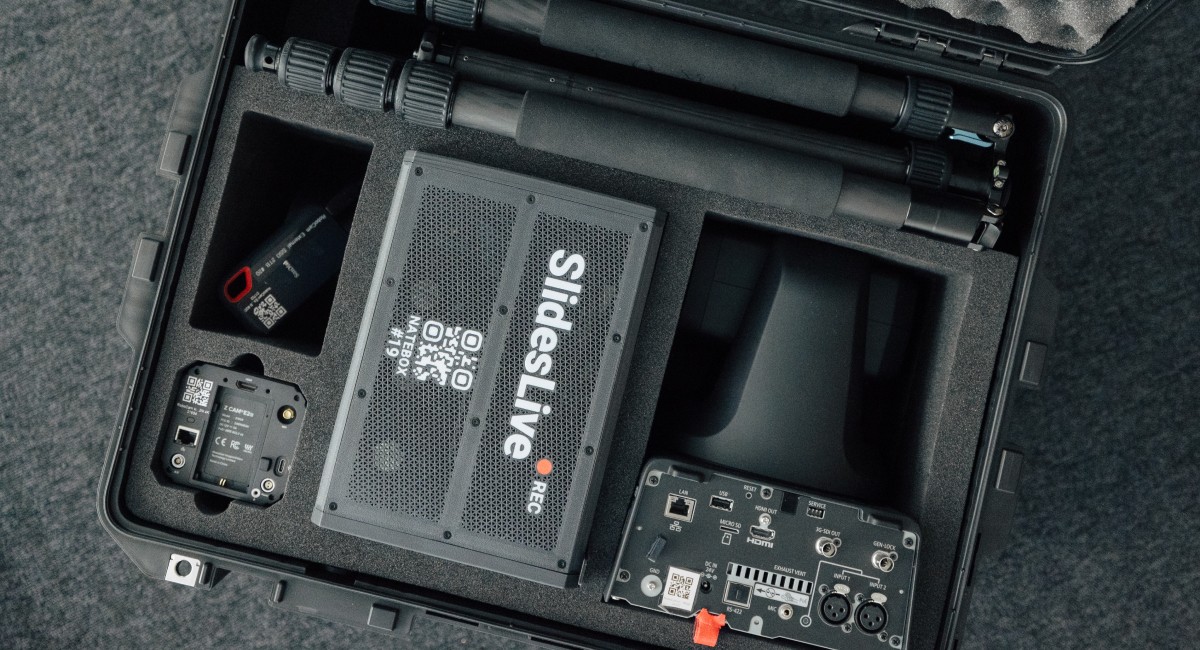
All of this runs on NATEBox — custom-built hardware designed for the demands of live events.
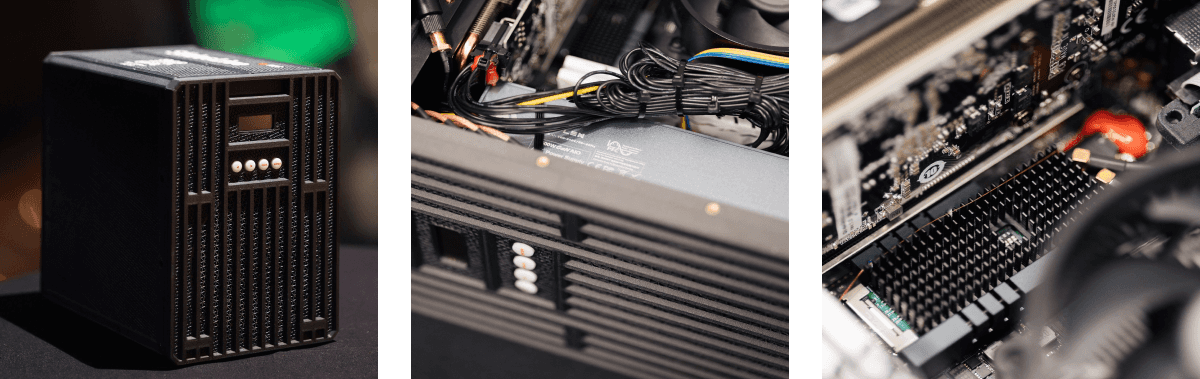
Every feed is recorded redundantly, with backed-up power and recording paths.
The entire setup fits into a single 23 kg flight case, ready to be deployed anywhere in the world as standard luggage. What others ship in trucks, SlidesLive brings on a plane.
Why It Matters
When events scale, the biggest risk isn’t innovation — it’s inconsistency. Fatigue, uneven operator experience, and manual errors can quickly undermine professional results.
SlidesLive RoboCam, powered by NATE, eliminates these variables. It delivers predictable, consistent, high-quality output that organizers can rely on day after day — across many rooms, many days, and many events.
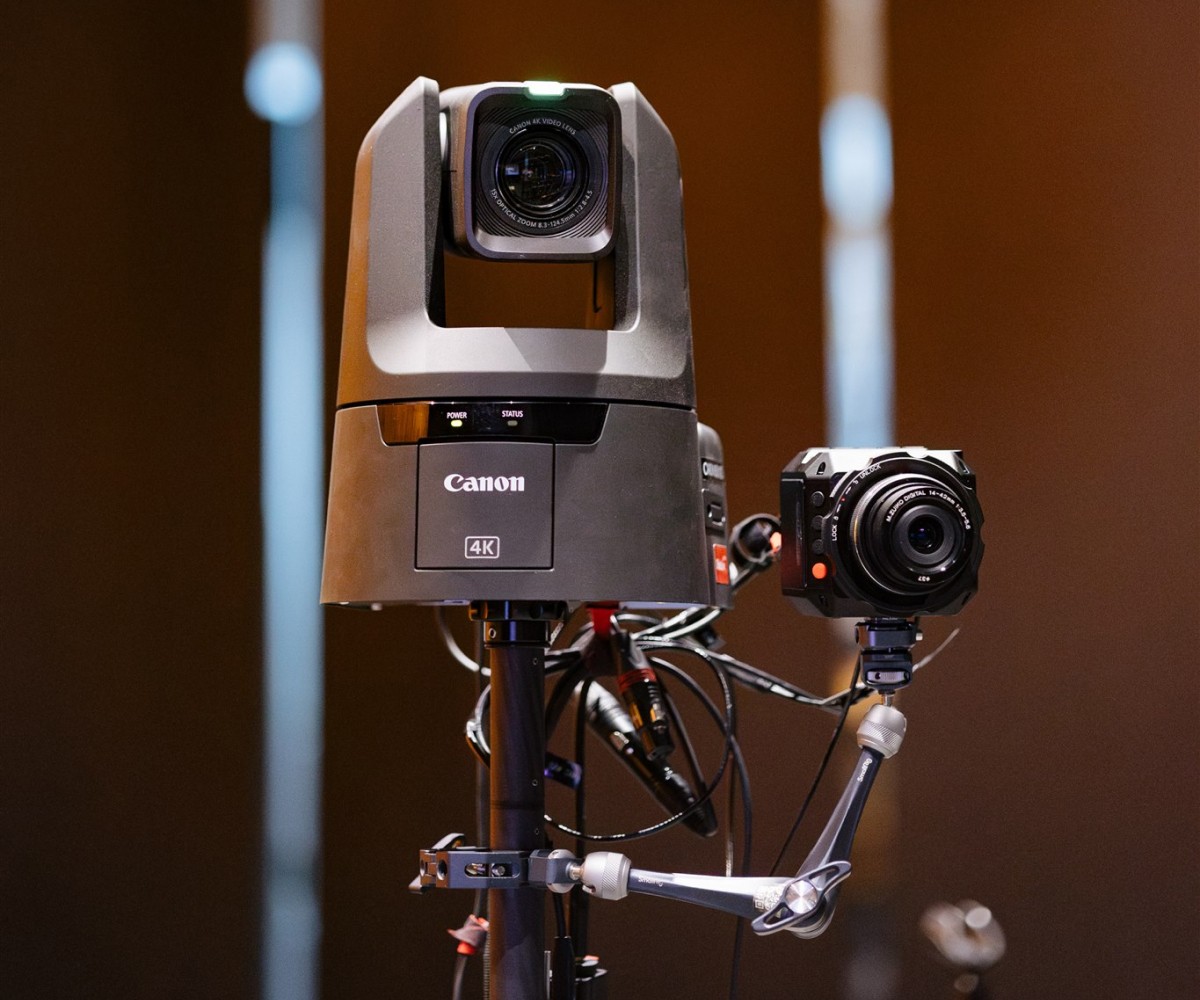
True automation doesn’t happen at the camera level.
It happens at the system level — where technology and human supervision work together.
📢 Planning a multi-room conference for 2026? Contact SlidesLive today and see how SlidesLive RoboCam can simplify your logistics and guarantee 100% consistent output.