Technology
Meet Tomas: The Engineer Behind SlidesLive Automation
4 min read
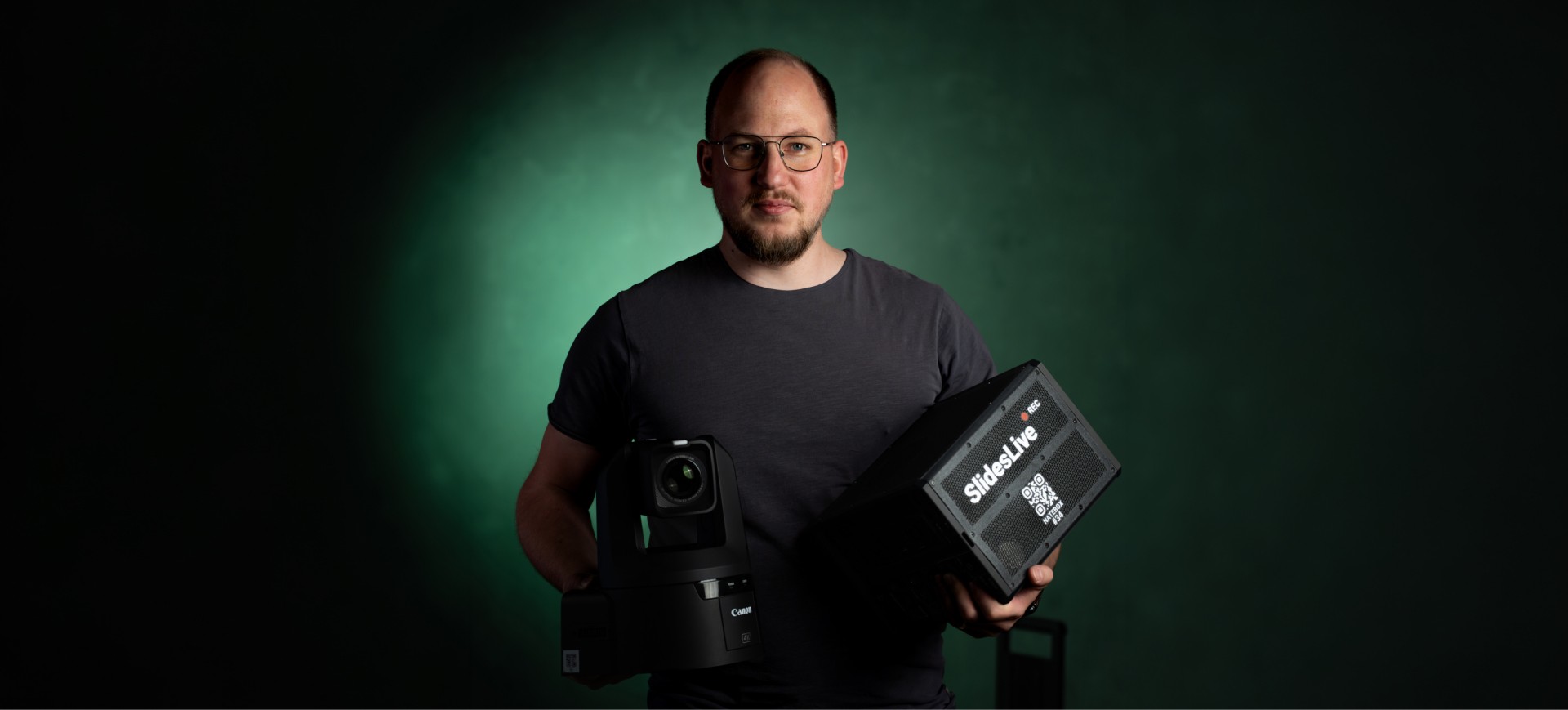
His name is Tomas, and he is the lead engineer behind SlidesLive’s automation systems.
Much of the technology that powers SlidesLive’s automated recording workflows, including the foundations of RoboCam and the NATE system, grew from the engineering work he started inside the company.
But his path to building automated systems for conference recording didn’t start with software.
It started behind a camera.
From cables and cameras to software
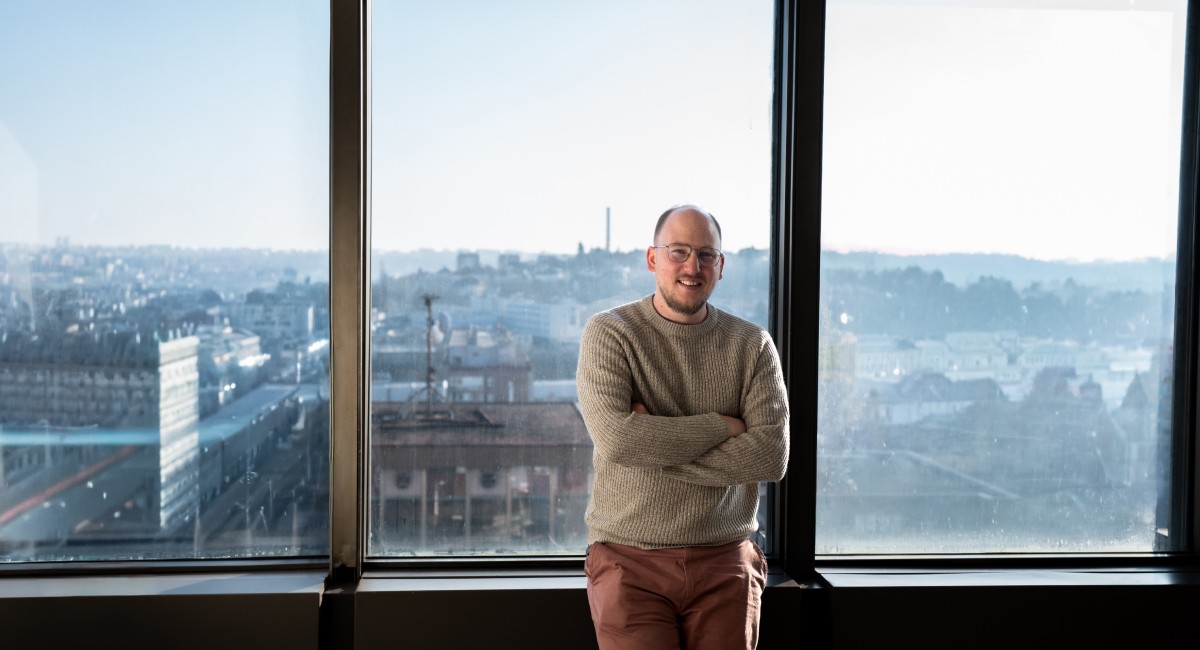
Tomas studied programming with a focus on audiovisual systems at the Faculty of Electrical Engineering at the Czech Technical University in Prague. At the same time, he volunteered at the university’s audiovisual center.
It was a very hands-on education: pulling cables, setting up cameras, recording conferences and concerts, handling audio and lighting.
In other words, he started at the very bottom of the production workflow. That experience later became one of the most important foundations for his work. Understanding how events actually work in the field, including the chaos, the pressure, and the repetitive tasks, shaped the way he approaches engineering problems today.
The moment that changed the direction
One moment during his studies stayed with him. He was standing behind a camera, slowly panning as a speaker moved across the stage.
☑️ Follow the speaker.
☑️ Adjust the frame.
🔁 Repeat.
From an engineering perspective, the pattern was obvious. The task required attention, but very little decision-making. It was mechanical. It was exactly the type of repetitive work that a well-designed system should eventually be able to handle.
That realization led Tomas to focus on autonomous lecture recording in his master’s thesis. He explored how cameras and software could take over repetitive production tasks while humans focused on higher-level decisions.
Joining SlidesLive
Tomas later joined SlidesLive, initially as a videographer. At the time, the team was already exploring ways to make conference recordings more consistent and scalable. But Tomas quickly noticed that many workflows in the AV industry were still built around manual execution rather than system design.
One example stood out. For one client, extracting presentation slides from a conference recording required about a week of manual editing. Tomas wrote a script that automated most of the process and reduced the task to a single day.
The time saved was significant. But the bigger realization was this: large parts of AV workflows could be algorithmized. That insight gradually pushed Tomas deeper into software development within SlidesLive.
Building systems instead of repeating work
Over time, Tomas began developing internal tools designed to automate parts of the production and post-production process.
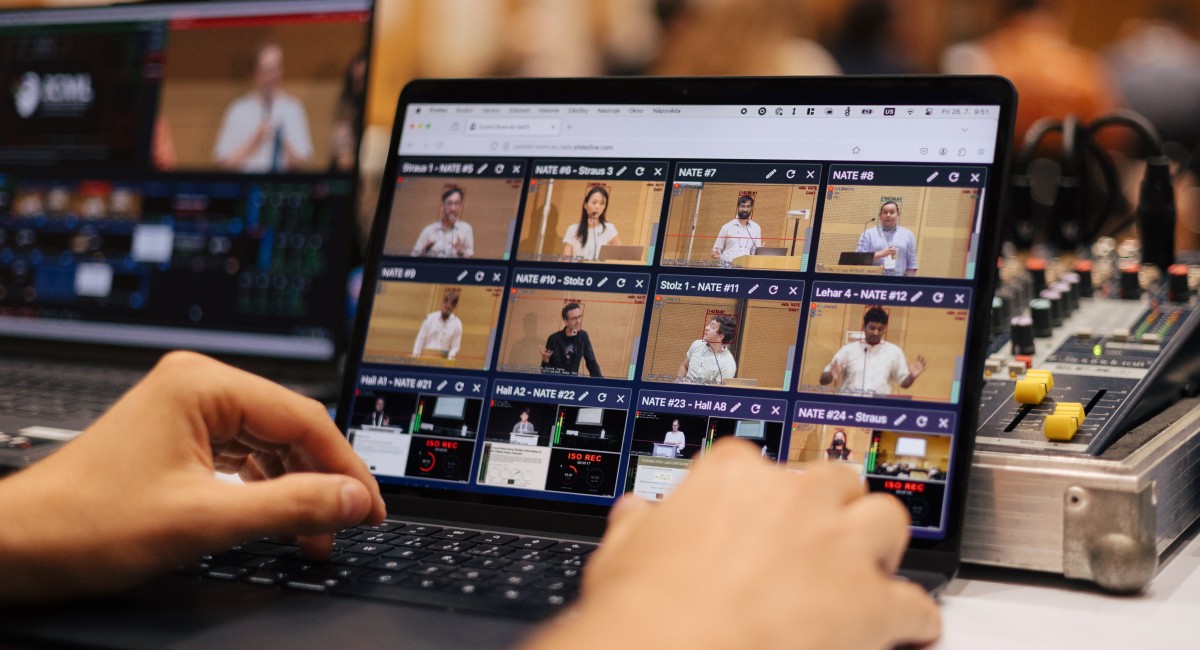
One of those systems eventually became Palpatine, a tool that simplifies and accelerates the work of video editors. It processes raw recordings, synchronizes sources, detects common issues, and prepares an editing project with suggested cuts.
For editors, that meant less time spent on repetitive tasks and more time focusing on the final quality of the video. In some cases, recordings can now be fully edited automatically. Overall, the system reduced editing time by roughly 30% while also minimizing human errors in the workflow.
A mindset that led to something bigger
Automation didn’t stop with post-production. The same mindset of removing repetitive tasks through smart systems started influencing how SlidesLive approached recording itself.
If editing workflows could be partially automated, what about the camera work?
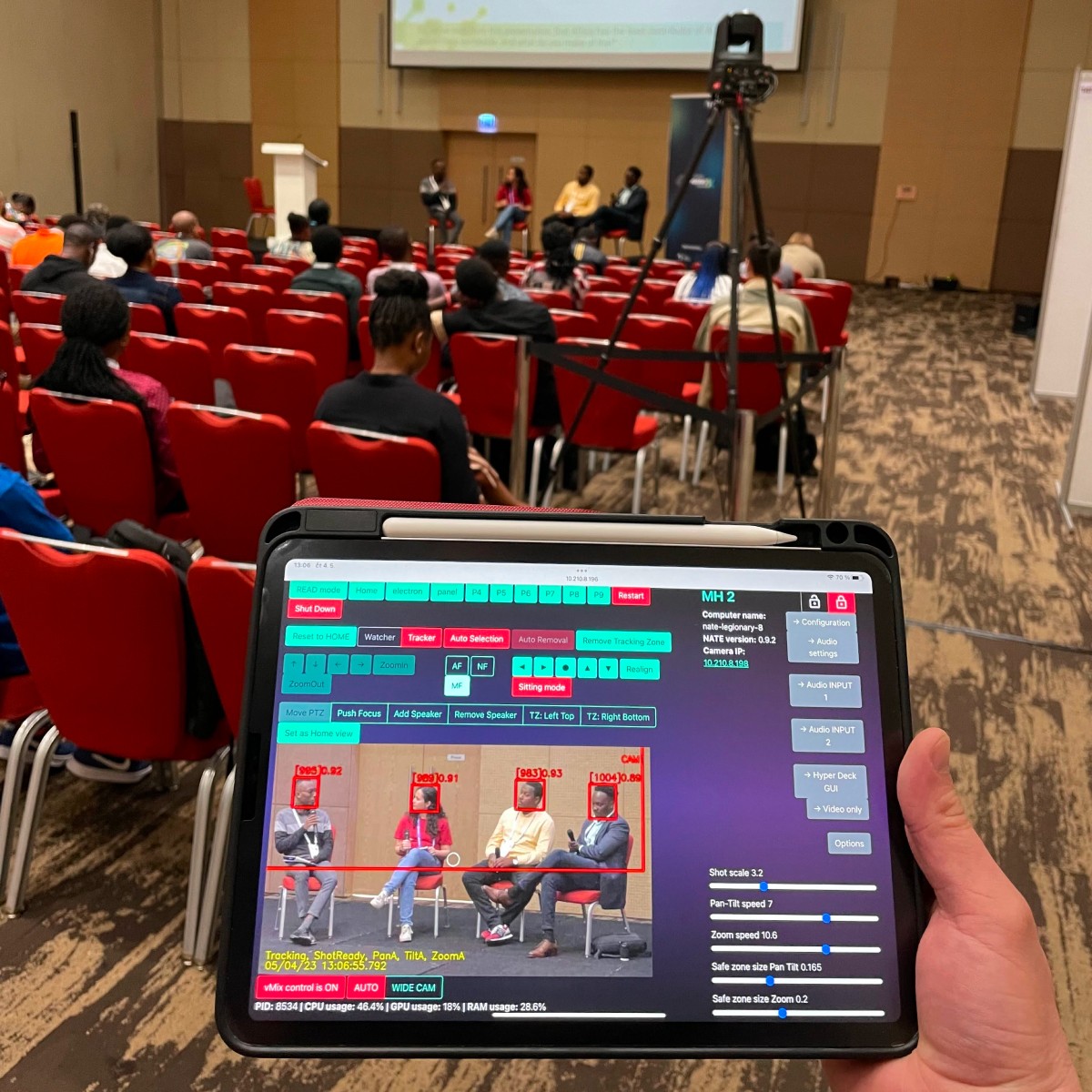
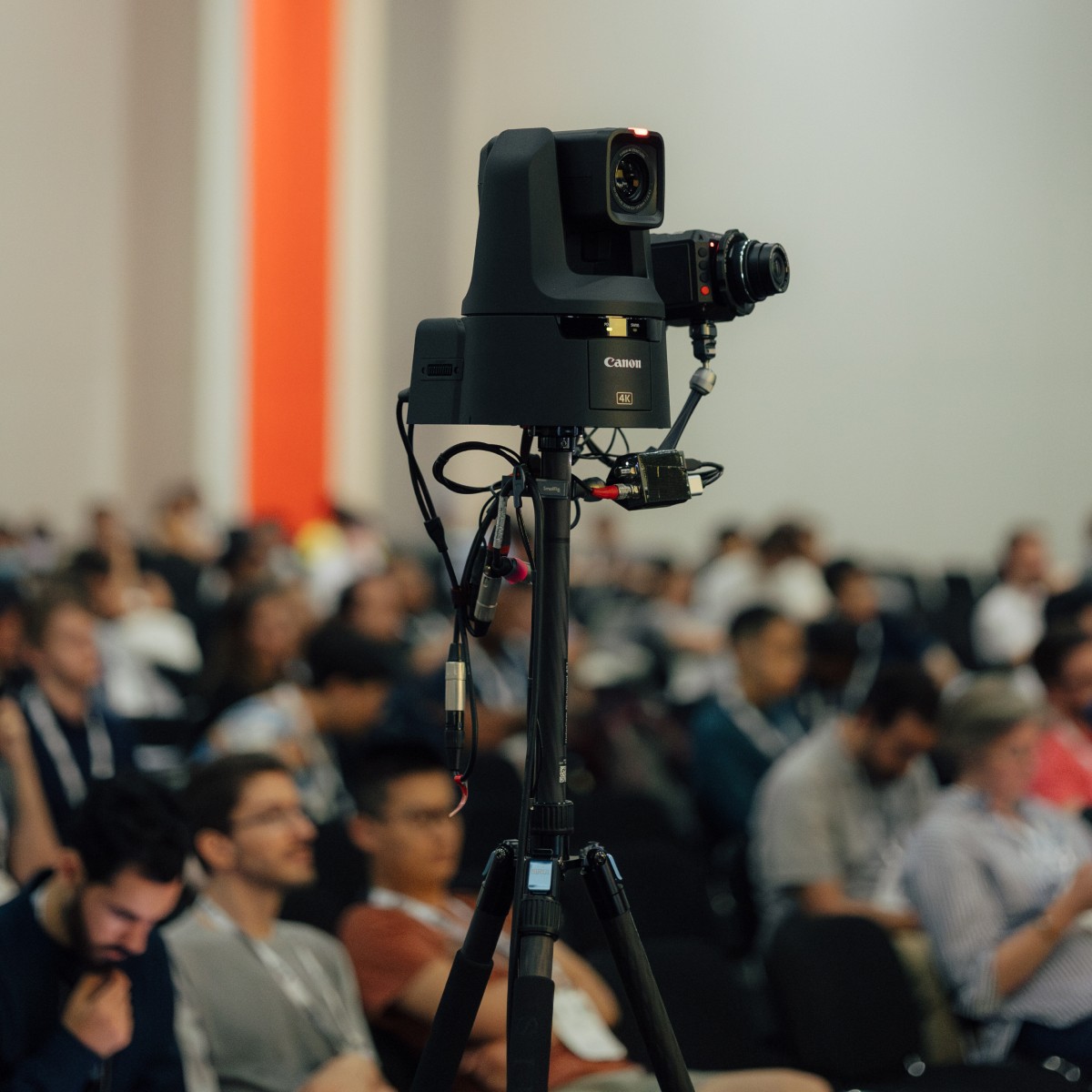
That question eventually led to the development of NATE, SlidesLive’s autonomous RoboCam system used today to record and stream conference sessions around the world.
It’s a direct result of a simple idea: repetitive production tasks can be automated without adding complexity to the setup.
But that’s a story for another article.
❗Repetitive camera work doesn’t have to be manual.
Tell us about your event and we’ll show you how this could work in your setup.